Small Batch Roasting vs. Mass Roasting: 5 Differences in Your Cup

Small batch roasting and mass roasting both turn green coffee into the beans you brew. The difference is how much coffee goes in the roaster at once, and how much control the roaster has. That choice shapes your cup in ways you can notice.
This guide breaks down five differences in plain terms. You’ll learn what each method means, where each one works well, and how to read a label. No hype, just what matters when you buy coffee.
At Blackout Coffee, we roast in small batches, and our coffee is proudly roasted in the USA. We’ll also tell you where mass roasting works well. Our small batch coffee guide covers the basics.
What Is Small Batch Roasting?
Small batch roasting means roasting a limited amount of coffee per roast. A roaster loads the drum, watches the heat, and adjusts as the beans change. Each batch gets close attention from start to finish.
The term has no legal definition, so every roaster sets its own meaning. That’s why details matter more than the label. We’ll cover how to check them below.
What Is Mass Roasting?
Mass roasting means roasting very large volumes in big roasters built for scale. These systems aim to deliver the same result across huge orders. Many mass produced coffee brands rely on this method to supply stores nationwide.
That consistency is a real strength. It also leaves less room to adjust each roast. Fine-tuning a single coffee is harder at that scale.
5 Differences Between Small Batch Roasting and Mass Roasting
Here’s how the two methods compare in practice. Each difference changes what ends up in your bag. Keep them in mind when you shop.

Difference 1: Scale of Each Roast
Small batches load a limited amount of coffee into the drum. Mass roasting loads far more at once. Scale changes how heat moves through the beans.
Smaller loads can heat more evenly, since the roaster sees every change. Larger loads need careful systems to match that. Neither is wrong, but they work differently.
Difference 2: Control Over the Roast
A small batch roaster can adjust heat and timing during each roast. That helps when a coffee needs a gentler or bolder finish. Roast level shapes flavor, from medium roast to dark roast. Curious how roast level changes taste? Our guide explains what makes dark roast coffee taste bold.
Difference 3: Consistency From Bag to Bag
Mass roasting is built for sameness. The goal is a cup that tastes the same in every store. Small batch roasters aim for consistency too, but it depends on skill.
So consistency isn’t the dividing line. The real question is whether the roast was tuned to the coffee. Ask how a roaster checks each batch.
Difference 4: Flexibility With Each Coffee
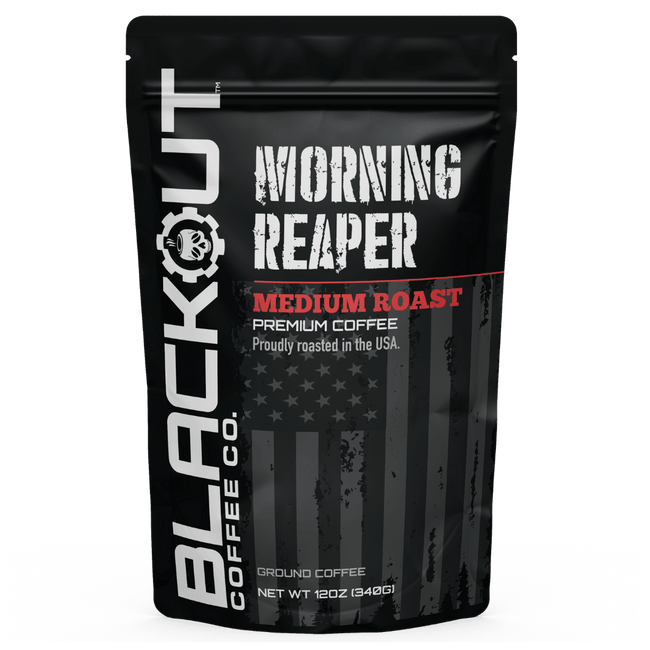
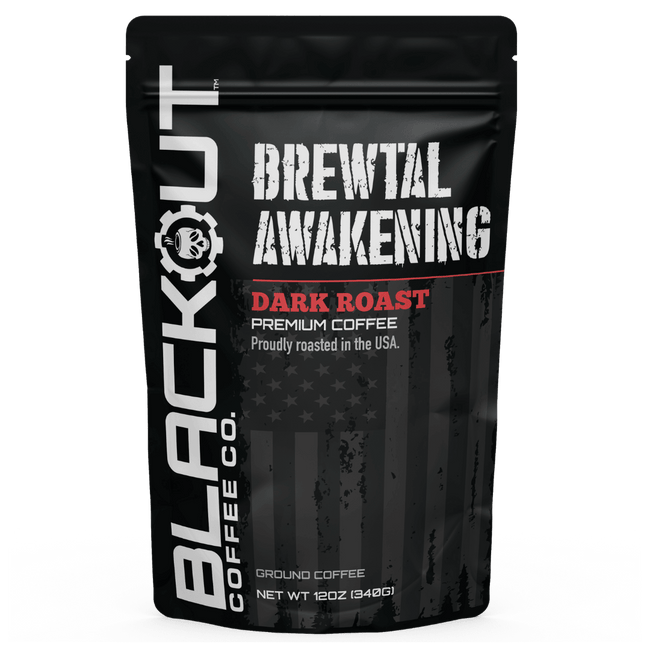
Different coffees respond to heat differently. A small batch roaster can change the roast for each blend and roast level. Mass roasting usually sticks to set recipes to keep output steady. That’s why our lineup runs from Morning Reaper, a medium roast, to Brewtal Awakening, a dark roast.
Difference 5: What the Label Tells You
Because “small batch” has no legal definition, a label alone proves little. Look at the details instead. Check the roast level and whether it’s ground or whole bean. Then find the expiration date and lot number on the bag.
Also check where it’s roasted. Ours is proudly roasted in the USA. Mass produced coffee can list the same details, so compare them side by side. Our coffee bag basics guide shows what to look for.

Small Batch vs. Mass Roasting at a Glance
| Feature | Small Batch Roasting | Mass Roasting |
|---|---|---|
| Scale per roast | Limited amount | Very large volumes |
| Roaster control | Adjusted batch by batch | Set recipes at scale |
| Consistency | Depends on the roaster’s skill | Built for sameness |
| Flexibility | Easy to tune for each coffee | Less room to change |
| The label | No legal definition | Varies by brand |
Neither method is wrong. Use this table as a quick checklist when you shop. Match the method to what you want in your cup.
Which Should You Choose?
Choose small batch roasting if you like a roaster who tunes each coffee. Choose mass produced coffee if you want the same familiar cup everywhere. Both can be a fine choice.
Want to see how a premium bag compares at home? Read our guide to premium coffee beans vs. grocery store coffee. Then taste both side by side.
Frequently Asked Questions
What is small batch roasting? ▼
It means roasting a limited amount of coffee per roast. That gives the roaster more room to adjust heat and timing. There’s no legal definition, so the details matter.
Is small batch coffee better than mass produced coffee? ▼
It depends on your taste. Small batches offer more control, while mass roasting offers sameness at scale. Try both and pick the cup you like.
How can I tell if coffee is really small batch? ▼
Check the details on the bag, like the roast level, expiration date, and lot number. Ask the brand how it roasts. A label alone isn’t proof, even on mass produced coffee.
Final Sip
At the end of the day, small batch and mass roasting both put coffee in your cup. The real difference is how much attention each roast gets. Neither one is wrong, and both have their place.
What matters most is knowing what you’re buying. Look at the roast level, the expiration date, and where the coffee is roasted. A good brand is happy to explain how it roasts. For us, small batches are about care.
We like giving each roast close attention. So grab a bag, brew a cup, and see what you think. Your own morning will tell you which one fits.
Loved this post? Follow and tag us on Instagram and Facebook.