Premium Coffee Beans vs. Grocery Store Coffee: What's the Real Gap?

Walk down any grocery store coffee aisle and the bags all start to look the same. Bold labels, big promises, and prices that seem hard to beat. Premium coffee beans sit on a different shelf entirely, often literally and figuratively.
The price difference is obvious at checkout. The reason behind that gap is not always clear. Here at Blackout Coffee, we want to break down exactly what separates the two. That difference starts with the bag itself and ends up in your cup.
What Makes Coffee "Premium" in the First Place?
Premium coffee starts with a higher grading standard than most grocery store coffee. Beans are scored on defects, size, and quality by trained graders. Coffee scoring 80 or higher makes the cut for specialty and premium roasters.
Grocery store coffee often blends lower-grade beans to hit a price point. That blend can include broken beans, inconsistent sizes, and more defects. The result is a flatter, less consistent cup no matter how well it is brewed.
Premium Coffee Beans vs. Grocery Store Coffee: The Real Gap
Here is the honest breakdown. The gap is not just marketing, it is measurable at every step of the process. Bean quality, roast batch size, and shelf time all separate the two categories.
Premium roasters like us roast in small batches and grade every bean carefully. Grocery store coffee is often mass-produced for volume, not for peak flavor. That volume-first approach usually means the beans sit for months before reaching a shelf.
Freshness compounds the gap even further. A premium bag ships close to its roast window. A grocery store bag may have been roasted long before it ever reached the store.

Premium Coffee Beans vs. Grocery Store Coffee
Not sure how big the difference really is? Here is a quick side-by-side.
| Feature | Premium Coffee Beans | Grocery Store Coffee |
|---|---|---|
| Bean grading | Specialty-grade, 80+ score | Mixed grade, often lower quality |
| Roast batch size | Small-batch | Mass-produced |
| Time from roast to shelf | Days | Often months |
| Flavor consistency | High | Variable |
| Sourcing transparency | Usually traceable | Often unclear |
The takeaway is simple. Premium coffee beans cost more because more goes into every step before the bag is sealed.
5 Differences Between Premium and Grocery Store Coffee
A few factors explain most of the price and flavor gap. Freshness plays a bigger role than most people expect. That is why how long coffee stays fresh matters just as much as the beans themselves. A bold roast like 1776 Dark Roast shows what small-batch quality actually tastes like.
- Bean grade. Premium beans score 80 or higher on the specialty scale.
- Roast batch size. Small-batch roasting allows more control over the final flavor.
- Freshness at purchase. Premium bags typically ship closer to their actual roast date.
- Sourcing. Premium roasters often know exactly where their beans were grown.
- Consistency. Fewer defects mean a more reliable cup every single time.
Why We Stick to Premium Coffee
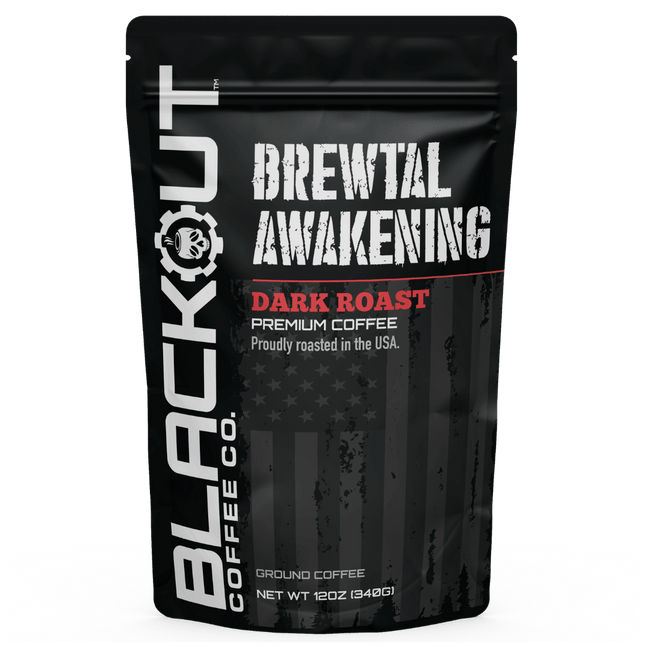
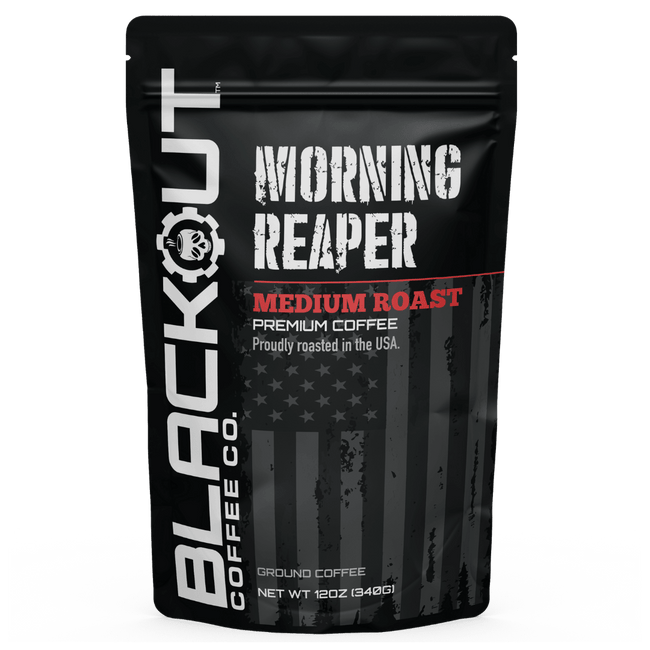
We roast every batch using specialty-grade Arabica beans, right here in the USA. We do not cut corners with filler beans or mass-produced blends. Whether it is Morning Reaper or Brewtal Awakening, every bag is roasted and packed with care. Fast shipping keeps that freshness intact all the way to your door.
That approach costs more to run than a mass-market model. We believe the difference is worth tasting, cup after cup. A bold roast starts with bold ingredients, not shortcuts.

Frequently Asked Questions
Is premium coffee actually better, or just marketing? ▼
It is a real difference. Premium coffee beans go through stricter grading and smaller-batch roasting, which affects flavor and consistency.
Why is grocery store coffee cheaper? ▼
Grocery store coffee is often mass-produced with lower-grade beans to hit a lower price point, which usually means less consistency.
Does bean grade really change the taste? ▼
Yes. Fewer defects and higher-quality beans lead to a smoother, more consistent cup.
Is premium coffee worth the extra cost? ▼
For most coffee drinkers who care about flavor and freshness, yes. The gap in quality is noticeable cup to cup.
Final Sip
The real gap between premium coffee and grocery store coffee comes down to one thing. It is what happens before the bag is ever sealed. Bean grade, roast batch size, and freshness all stack up to change what actually lands in your cup. A cheaper price tag almost always means shortcuts somewhere in that process.
We built our approach around avoiding those shortcuts entirely. Every batch starts with specialty-grade Arabica, graded and roasted with real care instead of rushed for volume. That is the difference between coffee that just gets you through the morning and coffee that actually tastes like something.
Loved this post? Follow and tag us on Instagram and Facebook.
Taste the Difference for Yourself
Every bag starts with premium, specialty-grade beans and ships fast.
Shop Premium Coffee