What Makes Coffee “Small Batch” and Why It Tastes Different

If you have been shopping for premium coffee lately, you have probably seen the term small batch coffee everywhere. It sounds good. It sounds artisan. But what does it actually mean, and does it really change how your coffee tastes?
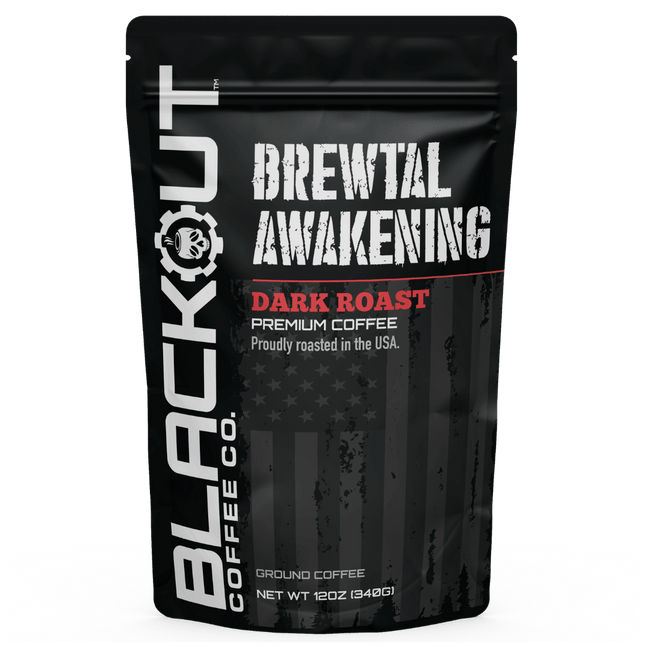
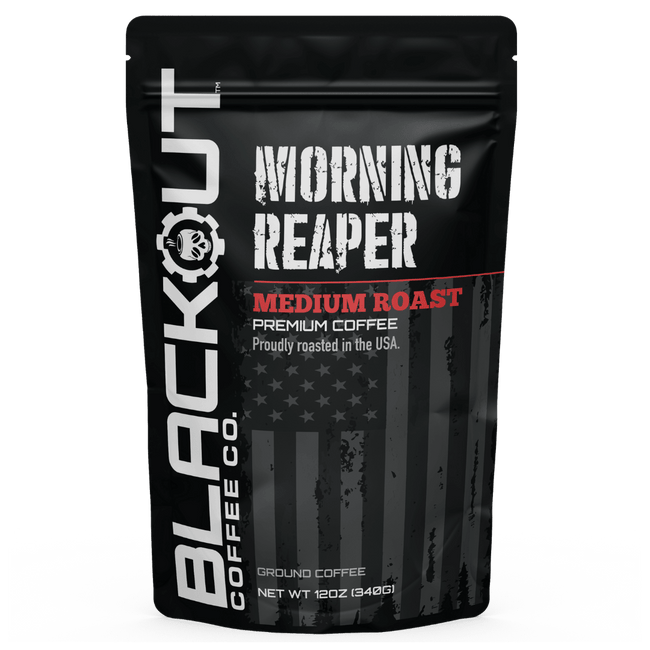
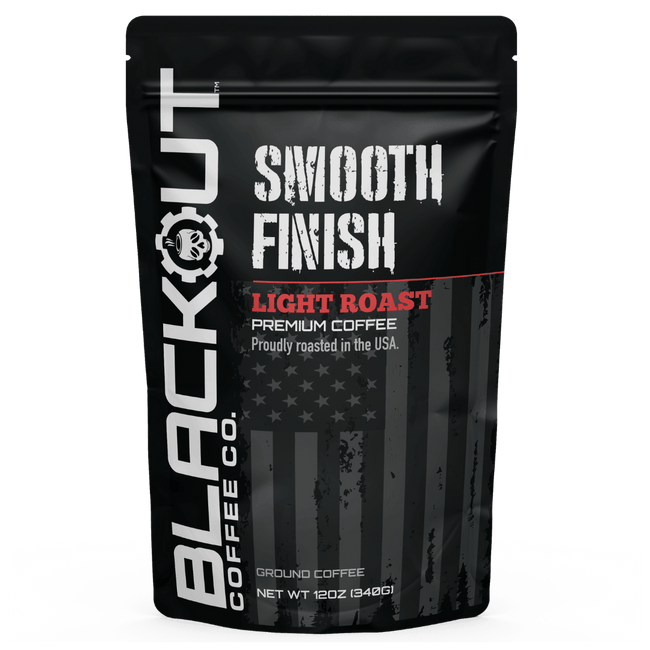
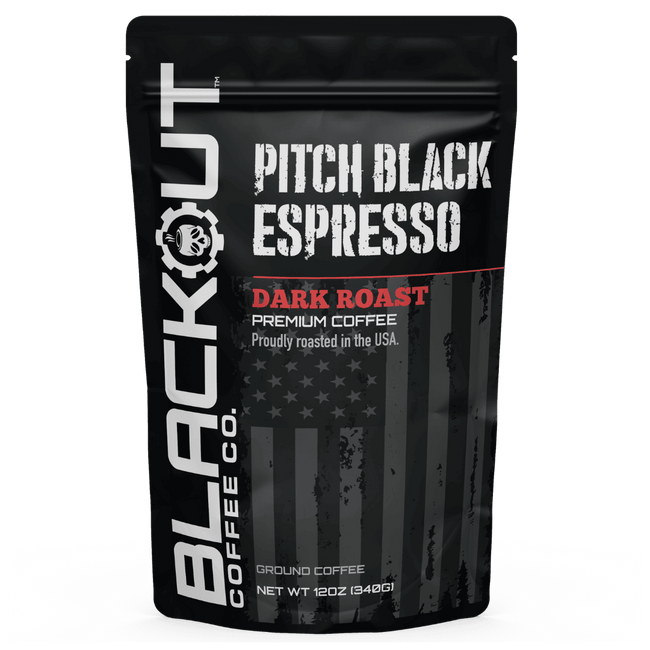
For us at Blackout Coffee, small batch is not just a buzzword. It is the way we roast our 100 percent Arabica coffee so it stays fresh, consistent, and bold in the cup. Small batch roasting lets us control every roast, watch how the beans develop, and bring out the best possible flavor instead of chasing volume.
When you understand what this really means in roasting, it becomes easier to taste the difference between carefully roasted coffee and mass produced coffee that is built more for shelf life than for flavor.
What does “small batch coffee” actually mean?
There is no legal definition for this coffee. In practical terms it means coffee is roasted in smaller quantities at a time, not in huge industrial loads.
In a small batch roastery:
- Coffee is roasted in smaller drums or machines, so each batch can be watched closely
- Time, temperature, and color are tracked for every roast
- Profiles can be adjusted based on the specific Arabica beans, origin, and roast level
Instead of pushing thousands of pounds through a giant roasting line and aiming for “good enough,” small batch roasting focuses on control. The roaster can react to the beans in real time. They can make choices that affect sweetness. These choices also affect body and clarity in the cup.
How small batch roasting changes flavor
The reason small batch coffee often tastes different comes down to three things: better beans, more precise roasting, and fresher coffee.

Freshness is the final piece. Small batch coffee is typically roasted more often in smaller runs, so it is not sitting in warehouses for months. You get more aroma when you open the bag, more flavor in the cup, and not just generic “coffee.”
Small batch vs mass produced coffee
Mass produced coffee is designed for volume and shelf life. Huge batches are roasted, blended, and packed to hit a single flavor profile. That profile is meant to stay the same for as long as possible. That often means darker roasts and broader blending to smooth out quality differences.
With small batch roasting, the priority is quality in the cup rather than absolute volume. You are more likely to see:
- Clear information about origin and roast level
- A roast date instead of only a best by date
- Coffee that actually tastes like its beans and roast, not just “dark”
If you have ever noticed that some coffee tastes flat or burnt even when you brew it right, that is usually mass roasting. It is roasting aimed at consistency and cost, not flavor.
How we roast small batch at Blackout Coffee

That lets us:
• Build strong dark roasts that hit hard without tasting burnt
• Keep medium roasts balanced for drip, French press, and pour over
• Make flavored coffee that still tastes like real coffee first
How to spot real small batch coffee
Since “small batch” is not a regulated term, any bag can say it. So it helps to know what to look for. Start by checking the label for a roast date instead of only a distant best by date. A recent roast date is usually a good sign. It shows the coffee is being roasted and moved in smaller, fresher runs.
Then look at how the brand talks about the beans. Real roasters usually mention 100 percent Arabica, specific origins, and roast profiles, rather than keeping everything vague. It is also a good sign if they explain their roasting process and what small batch means in their roastery. That is better than just using the phrase as a buzzword.
In short, real small batch roasters are transparent. They care about where the beans come from. They care how they are roasted. They care how that work shows up in your cup.
Why small batch coffee is worth it
This type of roasting is more than a fancy label. It means the roaster chose control, freshness, and bean quality over mass production. When you combine small batch roasting with Arabica beans and fast turnaround, your coffee smells stronger. It tastes cleaner and carries more character in every mug.
At Blackout Coffee, small batch is how we make sure every roast tastes the way it should. That covers our bold blends and our flavored options. Next time you brew, pay attention to roast date, bean quality, and how your coffee actually tastes. That is where small batch really shows up.
And when you pour your next cup of Blackout Coffee, share it with us. Follow and tag Blackout Coffee on Instagram and Facebook. Show us how you are enjoying our roasts at home.