K-Cup vs Whole Bean Coffee: Which Format Gives You the Boldest Cup?

If you have ever stood in the coffee aisle staring at K-Cup pods on one side and bags of whole bean coffee on the other, you already know the debate. K-Cup vs whole bean coffee is one of the most common questions coffee drinkers face, and the honest answer is that neither format wins for everyone.
At Blackout Coffee, we roast both formats right here in the USA because we know mornings look different for different people. Some mornings you have time for the full ritual: grinding fresh beans, dialing in your brew method, and savoring every step. Other mornings you need strong coffee in your cup in under two minutes, no grinder, no mess, no thinking.
This guide breaks down K-Cup vs whole bean coffee across every category that actually matters: flavor, freshness, cost, convenience, and which format fits your routine. By the end, you will know exactly which Blackout format belongs in your kitchen.
What Is Whole Bean Coffee and Why Do Coffee Lovers Swear by It?

When coffee is ground, it immediately starts losing volatile aromatic compounds, the compounds responsible for the deep, complex flavor in a truly great cup. Grinding fresh preserves more of those aromatics, which translates directly into a richer, more layered taste in your mug.
Whole bean coffee also gives you complete control over your grind size, which lets you match your brew method precisely:
- Coarse grind — ideal for French press
- Medium grind — best for drip coffee makers
- Fine grind — right for pour-over and Aeropress
- Extra fine grind — needed for espresso-style brewing
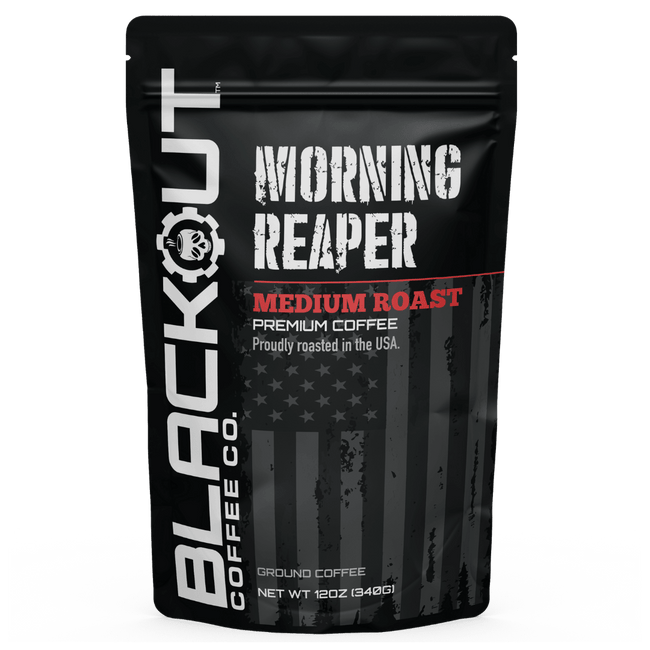
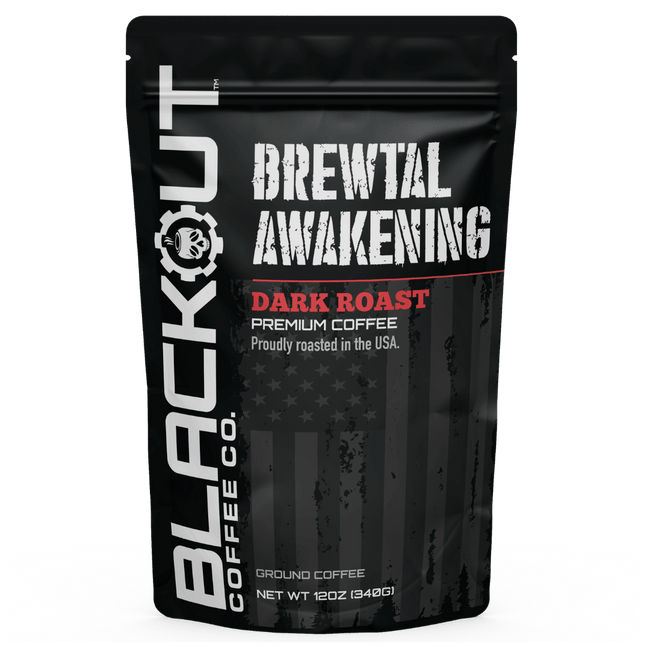
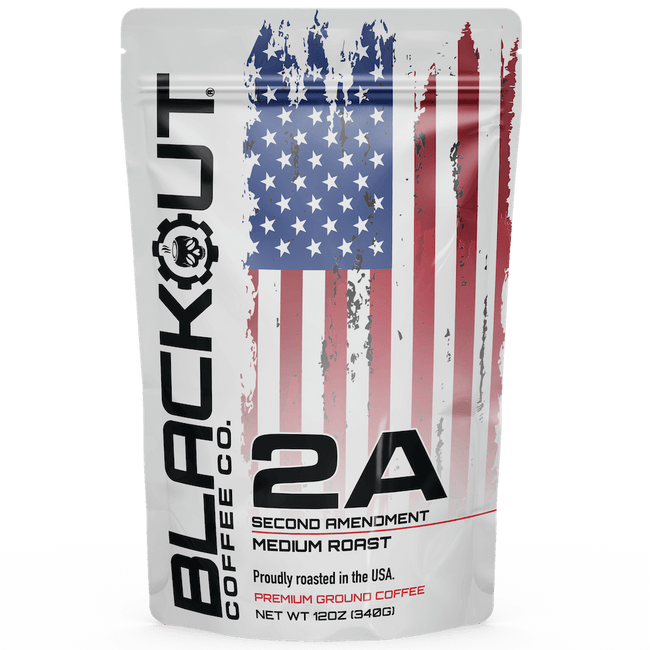
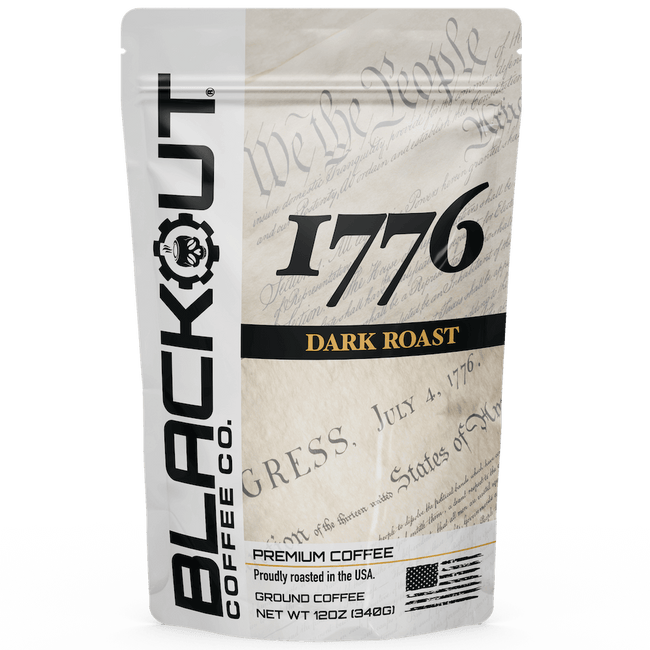
That flexibility is why serious home brewers rarely go back to pre-ground once they start grinding their own beans. At Blackout Coffee, our whole bean coffees are roasted in small batches in the USA, built around bold, full-bodied profiles. Whether you want a dark roast with deep smoky notes or a medium roast with balanced complexity, grinding fresh is the best way to unlock everything inside every bean.
What Are Single Serve Coffee Pods (K-Cups) and Who Are They Built For?

Blackout Coffee Single Serve Coffee Pods are designed for Keurig-compatible brewers and built around the same bold, unapologetic coffee style in every whole bean bag we sell. We offer dark roast, medium roast, flavored, and decaf pod options, because great coffee should not be complicated to make.
Single serve pods are the right format for:
- Busy mornings where every minute counts
- Office environments where multiple people want different coffees
- Travel setups without a full brewing kit
- Households where not everyone drinks the same roast or flavor
The tradeoff is less control over extraction compared to grinding whole beans yourself. But a well-made pod, like Blackout's, closes that gap far more than most people expect.
K-Cup vs Whole Bean Coffee: Flavor
When comparing K-Cup vs whole bean coffee purely on flavor potential, whole bean coffee holds the edge, and that is worth being direct about.
Freshly ground coffee retains more aromatic oils and volatile compounds than coffee ground before sealing into a pod. The result is often a more complex, layered cup with better aroma and depth from the first sip.
That said, format is only part of the flavor equation. A low-quality or stale whole bean coffee will disappoint regardless of how fresh you grind it. A well-made pod from a quality roaster like Blackout will consistently outperform a mediocre or old bag of whole beans.
The bottom line:
- Whole bean coffee has the higher flavor ceiling when paired with a quality grinder and proper technique
- Blackout Single Serve Coffee Pods deliver consistent, bold flavor without the variables, reliable every single time
For most coffee drinkers, the flavor difference between a fresh-ground Blackout cup and a Blackout pod is far smaller than the difference between quality coffee and a forgettable one.
K-Cup vs Whole Bean Coffee: Freshness
Freshness is directly tied to flavor, so it deserves its own section in any honest K-Cup vs whole bean coffee comparison.
Whole bean coffee stays fresh longer than pre-ground when stored correctly, airtight container, away from heat and light. Since grinding happens right before brewing, you are working with coffee at its peak aromatic state.
Single serve coffee pods use sealed, nitrogen-flushed packaging that protects coffee from oxygen, moisture, and light, the main enemies of freshness. A quality pod opened right before brewing is fresher than a bag of pre-ground coffee sitting open on your counter for two weeks.
The freshness winner depends on your actual habits:
- If you grind beans right before every brew, whole bean wins
- If you grind in bulk or leave coffee sitting out, pods can actually be the fresher option cup-for-cup
K-Cup vs Whole Bean Coffee: Convenience

With whole bean coffee, your morning includes: measuring beans, grinding to the right size, setting up your brewer, waiting for the brew, and cleaning your grinder and equipment.
With Blackout Single Serve Coffee Pods: insert pod, press brew, done.
K-Cup vs Whole Bean Coffee: Cost
Whole bean coffee is typically more cost-efficient per cup, especially if you brew multiple cups per day and already own a grinder. Single serve pods carry a slightly higher cost per cup because you are paying for the packaging, the convenience, and the consistency built into each capsule.
| Format | Cost Per Cup | Grinder Needed | Cleanup |
| Whole Bean Coffee | Lower | Yes | More involved |
| Single Serve Coffee Pods | Slightly Higher | No | Minimal |
If you own a quality grinder, whole bean gives you the best value long-term. If you do not have a grinder or want the simplest setup possible, pods are the smarter daily investment.
K-Cup vs Whole Bean Coffee: Which Format Should You Buy?
Choose Blackout Whole Bean Coffee if you:
- Own a burr or blade grinder
- Brew multiple cups per day and want the best cost-per-cup
- Enjoy the brewing process as part of your morning
- Want the highest possible flavor ceiling from your coffee
- Use a French press, pour-over, drip machine, or espresso setup
Choose Blackout Single Serve Coffee Pods if you:
- Use a Keurig-compatible or single-serve brewer
- Need strong coffee fast without extra steps
- Work in an office or shared space with varied coffee preferences
- Travel often and want consistent quality anywhere
- Want minimal cleanup and maximum reliability
There is no rule that says you have to pick one permanently. At Blackout Coffee, we make both because real coffee routines are never one-size-fits-all.
Does whole bean coffee taste better than K-Cup pods?
Whole bean coffee generally has a higher flavor ceiling because grinding fresh preserves more aromatic compounds. However, a high-quality pod like Blackout's can outperform a stale or low-quality bag of whole beans. Roast quality matters more than format alone.
Are Blackout Coffee Single Serve Pods compatible with Keurig brewers?
Yes. Blackout Coffee Single Serve Coffee Pods are made for Keurig-compatible single-serve brewing systems.
Is whole bean coffee cheaper than K-Cup pods?
Generally yes. Whole bean coffee costs less per cup in volume, especially with a grinder. Pods carry a small premium for convenience and consistency.
How long does whole bean coffee stay fresh?
Stored in an airtight container away from heat and light, whole bean coffee stays fresh for two to four weeks after the roast date. For best flavor, grind right before brewing.
Can I use both formats at home?
Absolutely. Many Blackout drinkers keep whole beans for intentional mornings and pods for days when speed comes first. Both formats deliver the same bold Blackout style.
What grind size should I use for whole bean coffee?
Coarse for French press, medium for drip, medium-fine for pour-over, and fine-to-extra-fine for espresso. A burr grinder gives you the most consistent results across brew methods.
Are K-Cup pods worse for the environment than whole bean?
Pods produce more packaging waste per cup. If sustainability is a priority, whole bean coffee with a reusable filter is the lower-waste option.
Final Sip
The K-Cup vs whole bean coffee debate comes down to what your mornings actually look like, not which format sounds better in theory. Whole bean coffee gives you the best flavor potential, the most control, and the best cost-per-cup value if you are set up to use it. Blackout Single Serve Coffee Pods give you speed, consistency, and a genuinely bold cup with no extra work.
The right choice is the one that keeps strong coffee in your routine every day, not just on the mornings when you have time to earn it. If you liked this post, don't forget to follow and tag Blackout Coffee on Instagram and Facebook.